

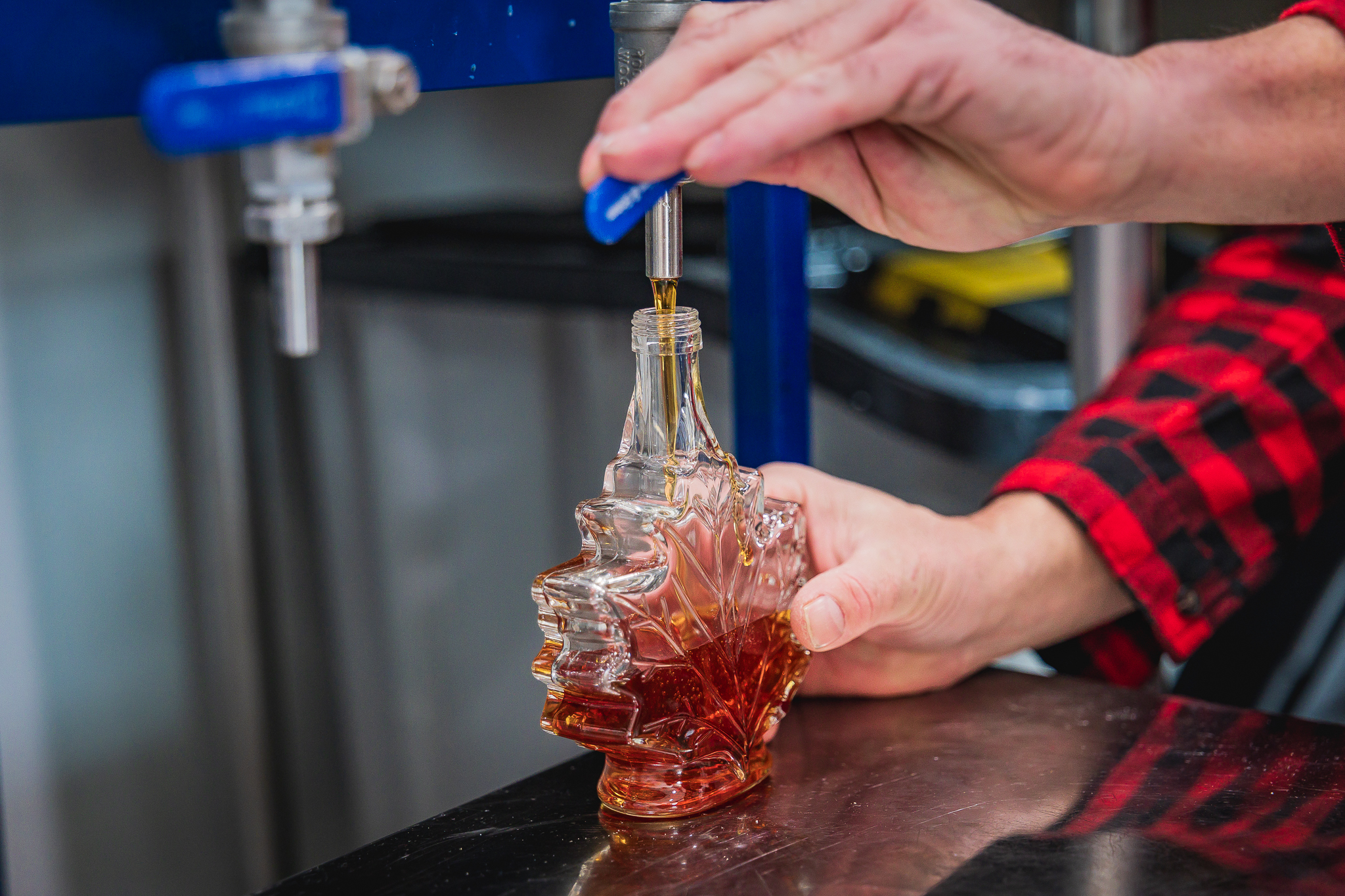
Syrup for Every Taste
In spring, when the sugarbushes of the Outaouais come alive and the first runs begin, maple syrup takes on different shades of color and flavor. Like coffee or wine, it unfolds into a palette of tastes that one learns to recognize over time.
To help consumers navigate these nuances, maple syrup is classified according to its color and flavor intensity. This classification is based in part on the amount of light that passes through the syrup: the clearer it is, the more delicate its taste. Conversely, darker syrups offer more pronounced aromas.
The Four Classes of Maple Syrup
There are four classes of maple syrup recognized under Canadian standards.
Golden – Delicate Taste
Produced at the very beginning of the sugaring season, golden syrup is the lightest in color. Its flavor is fine and subtle. It is especially appreciated with fruit, pancakes, or when adding a gentle touch of maple to certain recipes.
Amber – Rich Taste
Amber syrup has a more pronounced maple flavor while remaining well balanced. It is one of the most popular types of syrup. It’s perfect for pancakes, waffles, pastries, or sauces.
Dark – Robust Taste
Dark syrup offers a more intense maple flavor, sometimes accompanied by caramelized notes. It is often used in cooking, particularly for marinades, savory dishes, or certain desserts.
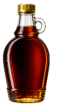
Very Dark – Strong Taste
Harvested toward the end of the season, very dark syrup has the most powerful maple flavor. It is often used in recipes where a bold maple presence is desired.
How to Choose Your Maple Syrup?
There is no single “best” maple syrup. It really depends on how you plan to use it and on your personal preferences.
For pancakes and light desserts
Golden or amber syrup is often preferred for its more delicate flavor.
For cooking and sauces
Dark syrup brings a more pronounced maple taste that pairs well with savory dishes.
For recipes where maple must stand out
Very dark syrup is ideal, especially in certain pastries or for caramelizing slow‑cooked dishes.
And of course, the best way to find your favorite syrup is simply to taste them. Each sugarbush, each season, and each harvest brings its own nuances.
Two Categories of Maple Syrup
In Canada, maple syrup is also divided into two categories.
Category A includes syrups intended for direct consumption. These are the ones found on grocery store shelves. To be classified in this category, the syrup must be clear, unfermented, and possess a characteristic maple flavor.
The Processing Category includes syrups used in the production of other food products.
Why Does Maple Syrup Change Color?
The color of maple syrup naturally evolves throughout the sugaring season. The first runs generally produce lighter syrups, while syrups gradually become darker toward the end of the harvest.
The timing of sap collection, weather conditions, and the evaporation process all influence the color and intensity of the flavor.
In the sugarbushes of the Outaouais, as elsewhere in Quebec, these variations are part of the richness of maple production and give each sugaring season its own unique nuances.
The Science Behind Maple Flavors
Since the late 1990s, researchers at Agriculture and Agri‑Food Canada have been studying the aromatic complexity of maple syrup in collaboration with the Centre ACER. Their work led to the creation of the Maple Flavor Wheel, a scientific tool used to describe the many aromatic nuances found in syrup.
Through sensory analyses conducted by tasting panels made up of producers, experts, and enthusiasts, researchers have identified more than 90 flavor descriptors grouped into several families. Some syrups reveal notes reminiscent of caramel, vanilla, hay, warm sugar, or even wood.
These studies help deepen our understanding of the aromatic richness of maple syrup and contribute to promoting this emblematic Quebec product on international markets.

Reference : Agriculture et agroalimentaire Canada
A Deeply Rooted Know‑How
Much more than a simple sweet product, maple syrup is the result of expertise passed down through generations and of a close relationship with the forest. Its color, its aromas, and its many uses all reflect the richness of this emblematic Quebec product.
Every spring, in the sugarbushes of the Outaouais as elsewhere in the province, the sugaring season reminds us of the importance of this living tradition. Whether one prefers a delicate syrup or a more robust one, each bottle tells a part of the story of this land and of the passionate work of maple producers.
References
- Agence canadienne d’inspection des aliments (ACIA). Recueil des normes canadiennes de classification – Volume 7 : Sirop d’érable.
- Agriculture et Agroalimentaire Canada. La recherche sur la flaveur du sirop d’érable.
- Érable du Québec. Classes de sirop.
- Gouvernement du Québec – Ministère de l’Agriculture, des Pêcheries et de l’Alimentation (MAPAQ). Production de sirop d’érable (acériculture).
- Radio-Canada. Comment choisir le bon sirop d’érable en cuisine? (22 mars 2023)
- J’aime l’érable. Les types de sirop d’érable.
- The Maple Treat Corporation. Sirop d’érable 100 % naturel.
- Aliments du Québec. « La couleur du sirop d’érable est déterminée par sa période de récolte ».